The Importance of a Proactive Fungicide Approach: Managing Disease Before Yields are Impacted
The negative impacts of foliar disease and damage caused by fungal infection should not be understated. White mold in soybeans can lead to losses of three to five bushels per acre for every 10% of plants infected by disease. Gray leaf spot in corn limits energy potential by damaging the leaf surface necessary for photosynthesis, while stalk lodging creates challenges at harvest. Fungal diseases aren’t always easy to predict, and by the time growers notice disease, yield loss is imminent. That’s why a proactive fungicide approach is vital in managing disease and preserving yields.
The Value of a Preventative Over Curative Approach
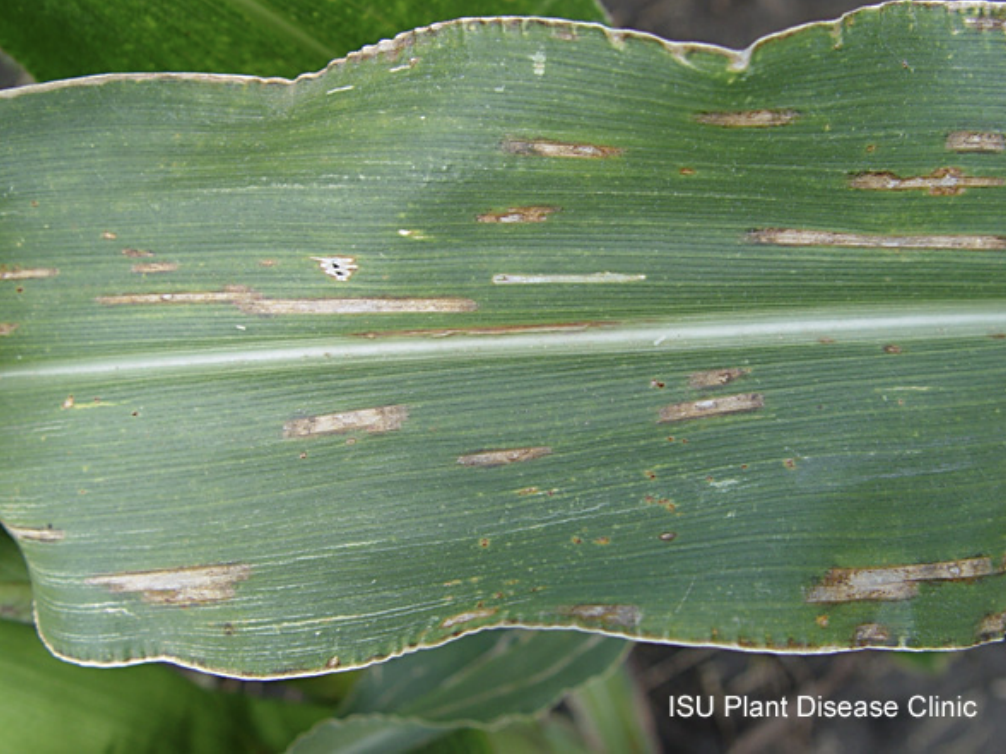
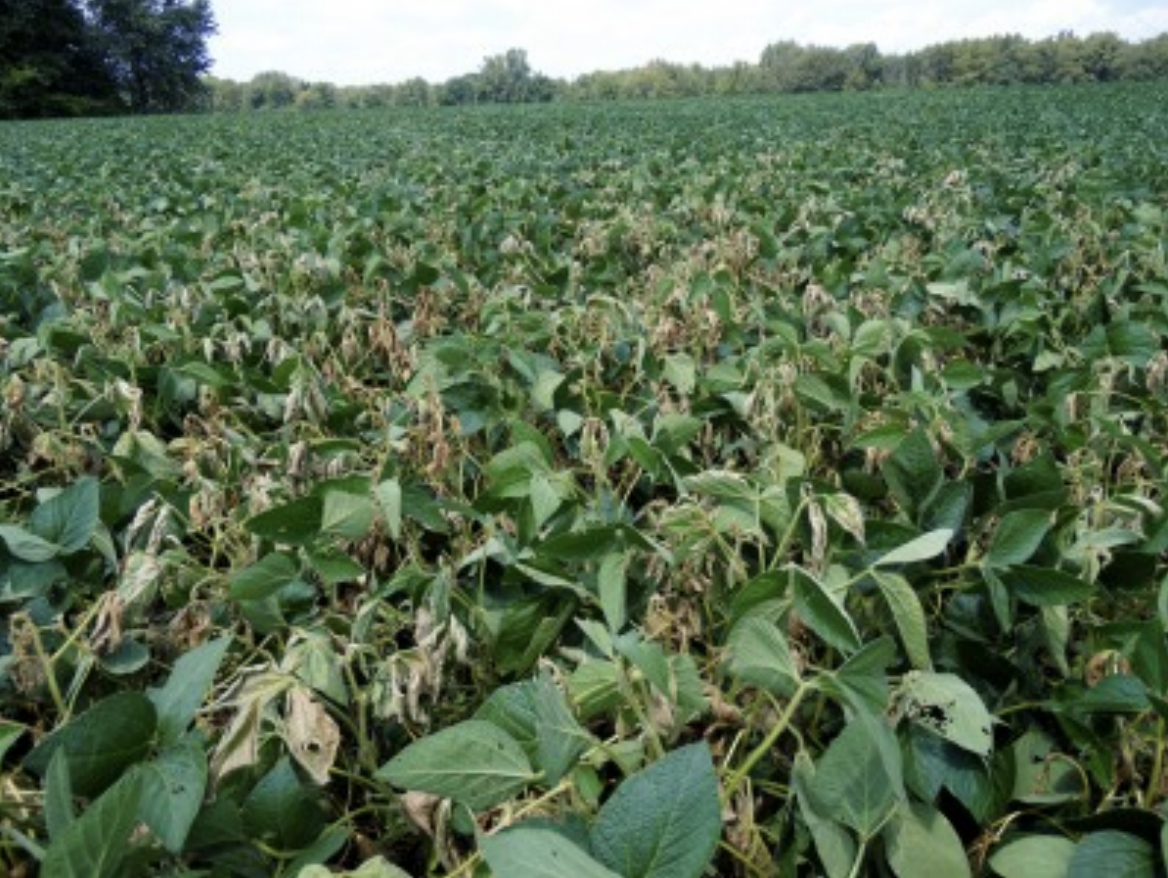
Fungicides are most effective when applied preventively, before disease becomes established and begins reducing healthy leaf area. Once disease lesions develop and spread, the plant loses photosynthetic capacity, limiting its ability to produce and move carbohydrates needed for grain fill in corn and pod and seed development in soybeans.
Damage occurring during reproductive growth stages can shorten grain fill duration, reduce kernel depth, lower seed size, and ultimately decrease overall yield. Because fungicides cannot restore leaf tissue already damaged by disease, waiting until infections are widespread often means a portion of yield potential has already been lost. Preventative applications help protect critical plant tissue before infection reaches economically damaging levels, preserving the plant’s ability to maintain yield through the most important stages of development.
Products such as Streamline Ag’s Perigrine FX* and BioVax support a preventative fungicide program by building multiple layers of protection before disease reduces yield potential. Perigrine FX combines Group 11 and Group 3 chemistries to provide broad-spectrum control and suppress early disease establishment in the canopy. BioVax, a Group P04 biofungicide, complements this approach by priming the plant’s defense response ahead of infection. Used preventively, these products help maintain clean, functional leaf area through grain fill rather than attempting to recover yield after disease has progressed.
Plant Health Benefits of Fungicide Application
In addition to disease control, fungicides can provide important plant health benefits that help support crop performance during stressful growing conditions. Products like Perigrine FX combine multiple modes of action to not only protect against disease, but also improve physiological efficiency within the plant. Research has shown certain fungicide chemistries can help reduce plant respiration rates, slowing the breakdown and use of sugars produced during photosynthesis. By conserving more energy within the plant, additional carbohydrates remain available to support grain fill, plant maintenance, and stress tolerance. Fungicides like Perigrine FX also improve nitrogen utilization by stimulating nitrate reductase activity, helping convert NO3 into forms more readily used throughout the plant.
Biological products such as BioVax can further complement fungicide programs by enhancing the plant’s natural defense responses. Derived from marine algae extracts, these biofungicides stimulate production of phenolic acids, which plants naturally produce in response to stress. By triggering these defense pathways before severe stress occurs, plants maintain greater vitality and tolerance against both biotic stresses, such as disease and insect feeding, and abiotic stresses including heat, drought, and temperature fluctuations.
Even in the absence of fungal disease, applying fungicide helps plants to better access and utilize nutrition, while defending against a variety of non-disease related, season-long stressors.
When and How to Apply Fungicides for Greatest ROI
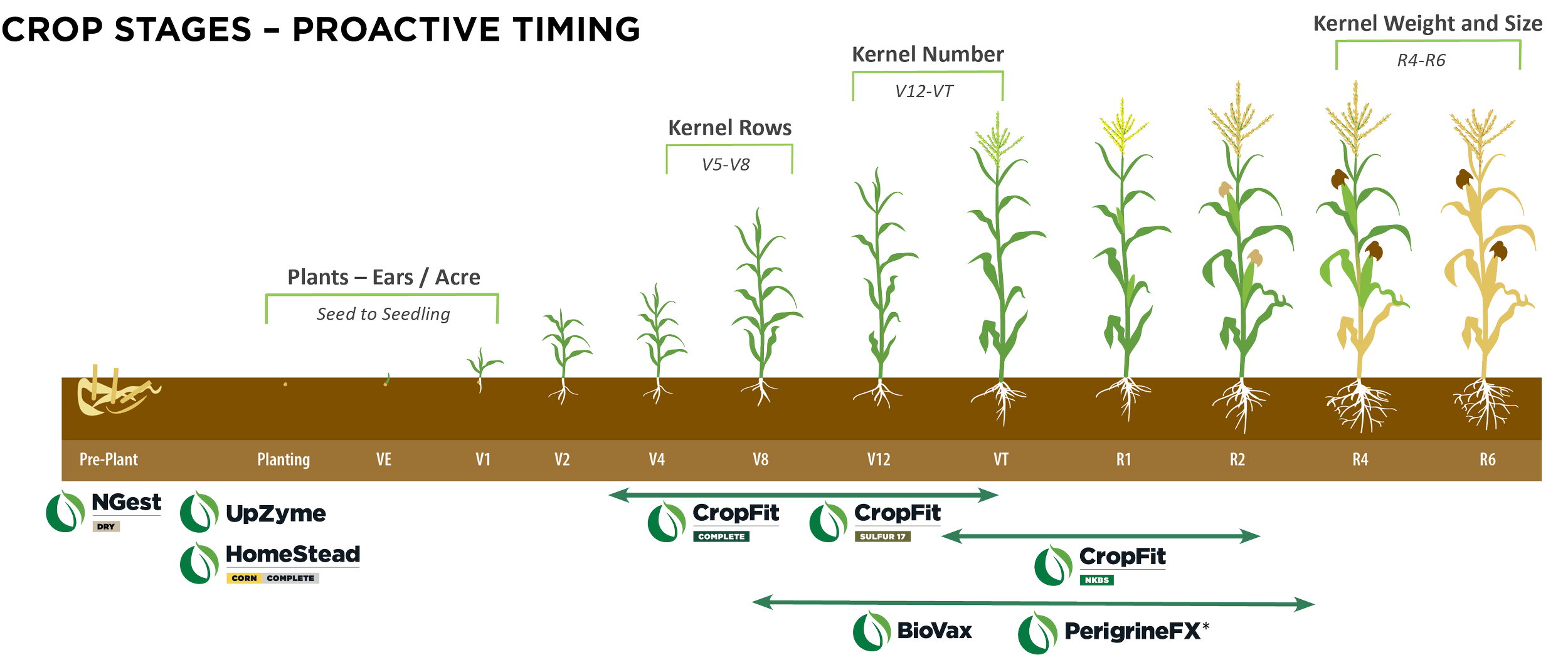
Growers can achieve the best ROI in fungicide application on corn by applying right at VT. VT timing provides the greatest opportunity returns as the plant enters one of its most critical periods for determining yield potential. Around tasseling and early silking, the crop rapidly increases water and nutrient demand while relying heavily on the upper canopy leaves to drive photosynthesis and support pollination and grain fill. Diseases that infect the ear leaf and upper canopy during this window can significantly reduce the corn plant’s ability to produce and move carbohydrates to developing kernels.
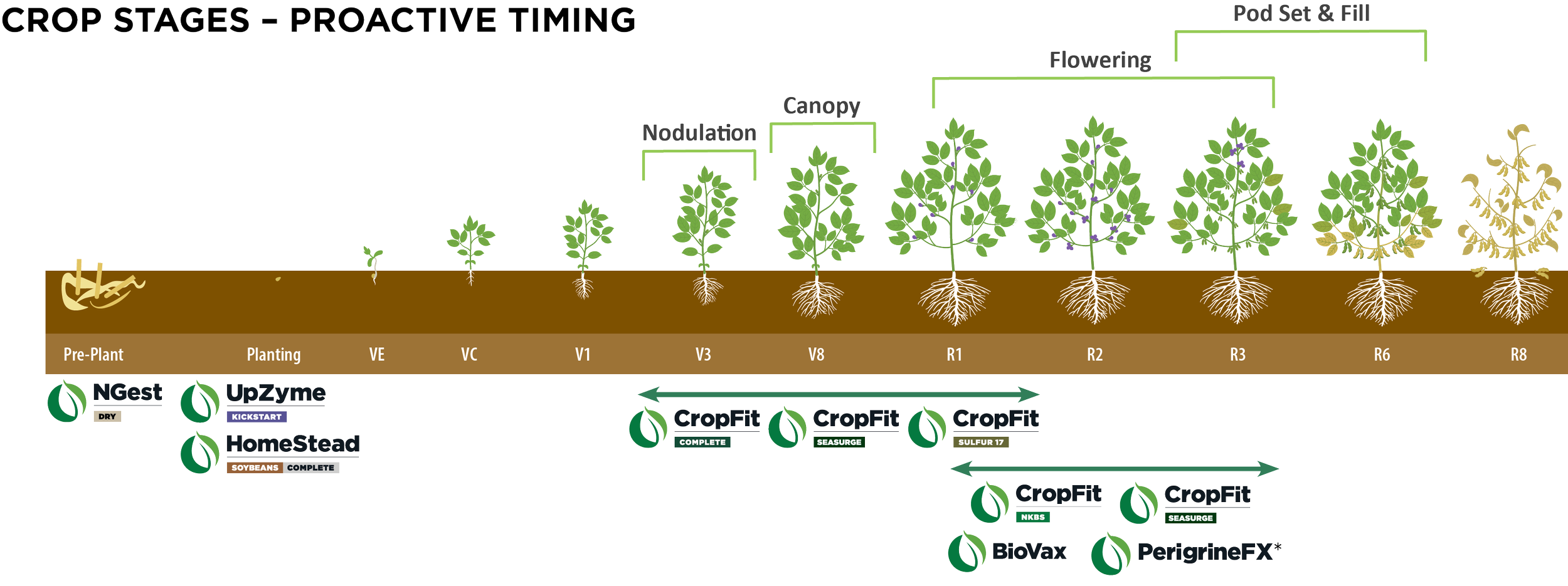
In soybeans, fungicide applications often provide the greatest return during the R3 growth stage, when the plant begins forming pods on the upper nodes. At this point, the soybean plant shifts significant energy toward pod retention and seed development, making healthy leaf area critical for maintaining yield potential. Fungal diseases that develop during reproductive stages can reduce photosynthesis, accelerate defoliation, and limit the plant’s ability to fill pods and seeds effectively.
Beyond seasonal timing, the time of day and environmental conditions play a major role in maximizing fungicide performance and return on investment. Applicators often achieve better uptake and leaf coverage during cooler, more humid parts of the day, such as early morning or evening.
Water quality also influences fungicide performance. High pH spray water can reduce fungicide stability and shorten product half-life, making water conditioning an important consideration in some applications.
Additional Management Practices to Reduce and Address Fungal Infection in Crops
Certain environmental factors and planting practices create favorable conditions for fungal infection to occur in corn and soybeans. These include:
Prolonged periods of dew, fog and cloudy weather
Free moisture on leaves for 12+ hours
Frequent rain at flowering and pod development (soybeans)
Early canopy closure/dense canopy at flowering (soybeans)
Continuous planting (corn-on-corn, soybean-on-soybean)
Residue left above soil surface throughout year
In addition to utilizing a strong, proactive fungicide program, there are additional management practices to reduce the pressure of fungal disease in crops:
Crop rotation – Rotating fields between host and non-host plants reduces the number of infectious spores available to infect the next season’s crop. Additional crop rotation benefits include reduced pressure of various damaging insect pests.
Hybrid selections – Growers should speak with their distributors and agronomists to choose hybrids and varieties with the best genetic protection for their growing region
Bringing Disease Prevention and Plant Health Together
A strong fungicide program delivers the greatest value when it combines early, preventative disease control with meaningful plant health benefits that support crop performance through the season.
By protecting key leaf tissue before disease becomes established, growers preserve the plant’s ability to drive grain fill in corn and pod and seed development in soybeans. At the same time, plant health benefits such as improved physiological efficiency and stronger stress tolerance help crops maintain more consistent function during the critical reproductive window.
When these two elements work together, fungicide applications shift from a reactive tool to a proactive management strategy that protects yield potential and supports more consistent return on investment across variable growing conditions.
Want to build a strong, preventative fungicide program that proactively defends against disease while boosting overall plant health and resiliency? Reach out to your local Streamline Ag distributor today to learn more about our Corn and Soybean systems.
*At the time of publishing, Perigrine FX is currently pending EPA approval.
